









Rules, Fines, and the Woman Who Has Never Won — The Challenge Secrets Production Keeps Off Camera.
Twenty-five thousand dollars for a hidden phone. Blue vodka. A woman with 20 seasons and zero wins who production refuses to let retire. Here is everything The Challenge doesn't put in the edit.
Twenty-eight years. Forty-two seasons. One show that has somehow survived the death of cable, the rise of streaming, three network moves, and a cast that has collectively tried to hide cell phones in jacket linings, protein containers, and the soles of shoes. The Challenge is still here. It is moving to Paramount+ on August 5 with a brand new season, a $500,000 prize, and twenty-four people who signed contracts they almost certainly did not read carefully enough.
Because there is a lot in those contracts. A lot that never makes the final edit. A lot that production would prefer you didn't think too hard about while you're watching people dangle from helicopters over Thailand.
We thought about it. Here is what we found.
The Rules. All of Them.
The Challenge house comes with a very short list of actual rules and an extremely long list of consequences. Most of what you can and cannot do is common sense dressed up in contract language. But some of it is specific enough that it is clearly there because someone, at some point, did exactly the thing it is designed to prevent.
The Injury Clause. What You Sign Away Before You Even Pack Your Bag.
Before any contestant sets foot in the Challenge house, they sign a waiver. A comprehensive, detailed, very legally airtight waiver that covers essentially everything that could go wrong with a human body while dangling from a helicopter over Thailand or running across a moving truck at sixty miles an hour.
What that waiver includes, in plain terms: you assume all risk of physical injury, including paralysis and death. The production company is released from liability for anything that happens to you during filming. You consent to emergency medical treatment — but depending on the terms, you may be financially responsible for it. And if you have a dispute with production about any of this, you go to mandatory arbitration. Not a courtroom. Not a jury. Arbitration. No public case. No headlines. Just a very private conversation that nobody outside the room will ever hear about.
The editing clause is in there too. Production can cut your footage any way they want. They can make you look like a villain, a hero, or someone who said something they didn't say in that context. You signed away the right to object to any of it before you arrived.
The Fines. And They Are Not Small.
The rules have consequences. Some of those consequences are immediate and visible — you get ejected, TJ makes an announcement, the cast acts shocked even though they all saw it coming. But some consequences come later. Quietly. In the form of a number on a document you signed before filming started.
What Production Cuts. And What the Contract Says They Can Do.
The Challenge built its reputation on chaos. On fights, on drunk decisions, on people saying things in the elimination arena and the house that cannot be unsaid. For most of its run, that chaos made it into the edit. Now, increasingly, it doesn't.
Since the move toward Paramount+, production has tightened what appears on screen. An MTV show operating on cable had different standards than a streaming show competing with prestige content. The fight footage that used to be the main attraction is quietly disappearing. Kelsey Owens from Siesta Key confirmed that her fight was cut from the edit as part of an explicit MTV rule. Challenge fans have noticed the same shift.
But the edit is only part of it. The contract contestants sign before filming gives production authority that goes well beyond what ends up on screen. Production is designated the sole arbiter of all rules, decisions, and interpretations — including competition decisions. They can modify the format, intervene in a game, or overrule a result at their sole discretion, without prior notice, with no obligation to explain themselves. Contestants who disagree have one option: mandatory private arbitration. Not a courtroom. A private room. Where nothing will ever be made public.
The Nelson Thomas situation shows what the editing authority looks like in practice. Season 40 featured a video call where Cory Wharton — competing that season — received a call from Nelson, his best friend, who had been in a near-fatal accident that resulted in his leg being amputated. The segment aired. The cause of the accident — drunk driving — was removed from the edit entirely. Cory told Entertainment Weekly: "I don't get to pick what the network puts on there. I don't have any say in any of that." Production decided what story was told. They told it their way. The contract gave them that right.
The competition intervention clause is a different matter entirely — and Nurys Mateo is the clearest example of what it looks like when someone refuses to stay quiet about it.

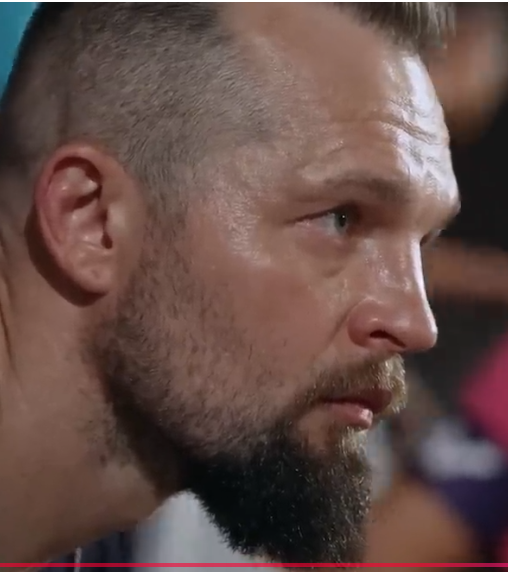
After Season 40 Episode 4 aired, Nurys went on X and called out production based on what Horacio had told her and what she watched in the episode. During an elimination between Derrick and Horacio, an off-camera production ref picked up Derrick's fallen pegs — something that was against the explicit rules of the game, according to Nurys and at least eight cast members who were present. Horacio went home. The assistance was not in the edit. Nurys was. "Also why can the off camera ref pick up Derricks but not Horacio's?! It's still cheating. Rules are rules."
Under the contract, production was entirely within their authority. The irony of that phrase — rules are rules — coming from a contestant calling out the people whose entire job is enforcing them is not lost on us.
Twenty Seasons. Zero Wins. Still Getting the Call.
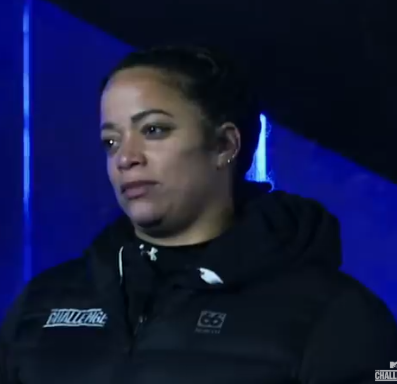
Every piece of behind-the-scenes information about The Challenge eventually leads back to one name. Not Bananas, who has seven wins. Not CT, who has six. Not Jordan Wiseley, who has been vocal about the injustice of the pay structure. Aneesa Ferreira. Who has been on the show twenty times. Who has never won. Who holds the record for the most seasons played without a win by any contestant, male or female, in the history of the franchise.
Production's response to this has been to keep casting her. Twenty seasons over a twenty-plus year span.
Aneesa has thought about retiring. She admitted it to the NY Post ahead of Season 40. She said she considered it briefly and then decided against it. And then she added the detail that tells you everything you need to know about how The Challenge actually operates: "Plus, production is always like, 'You can't quit.'"
She is not being dramatic. Production tells her she cannot quit. And she keeps coming back. Twenty seasons. Thirty-one eliminations entered as a woman, which is also a record. Sixteen eliminations lost, also a record. She now hosts the official Challenge podcast. Production did not just keep casting her — they gave her a job.
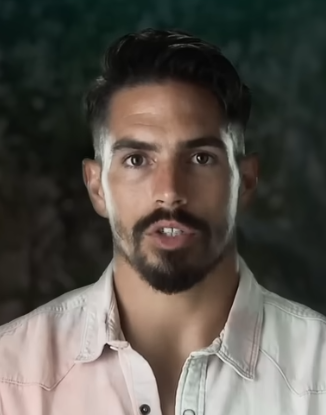
The reason she keeps getting called, beyond genuine affection, is financial logic. Jordan Wiseley revealed the pay structure on a podcast in December 2025: contestants are paid based on the number of seasons they have appeared on, not on how many times they have won. A rookie makes $1,000 a week with three weeks guaranteed. Seasons two through four, you make $3,000. Top veterans — the ones who have been on the show long enough — can make $80,000 just to show up on day one.
Wiseley's frustration was specific: "This person who has been around for 20 years, not won a single one, not even been to a final, they're not going to use them as marketing, they're going to go home before the middle of the season, but they've racked up enough going homes that they now get paid double what I get paid to show up. Some people triple what I get paid who have never won."
He was not naming Aneesa directly. He didn't have to. At twenty seasons, with zero wins, she has accumulated more appearance credit than almost anyone alive. By Wiseley's own math, she is being paid accordingly. For showing up. For losing. For doing it again the following season when production calls and tells her she cannot quit.
One analyst put it perfectly: Aneesa is the cranberry sauce on the Thanksgiving table. You don't do the 40th Thanksgiving without cranberry sauce. It doesn't matter if cranberry sauce has never won anything. It belongs there. Production knows it. Aneesa knows it. And every season, when the call comes, she picks up.
The Challenge is not just a competition show. It is a machine with rules it enforces selectively, fines it collects quietly, footage it cuts strategically, and a casting philosophy that prioritizes television over fairness every single time. The phone fine is $25,000. The NDA fine is undisclosed. The fine for being too good at the game and winning too much is apparently getting paid less than someone who has been eliminated in the first week fifteen times in a row.
Season 42 premieres August 5 on Paramount+. Twenty-four people have signed the contract. Most of them have already hidden a phone somewhere production hasn't found yet. One of them is probably the leak. And somewhere, Aneesa Ferreira is waiting for the call that tells her she's been cast for season 43. She will pick up on the first ring. 🍵